
Product category · Analytical / sample route

High-Throughput Soil & Agricultural Sample Grinders

Soil, plant and agricultural sample preparation has its own constraints: contamination, moisture, particle size and the analytical method that follows. Use this route when soil grinding, leaf tissue grinding or dried plant material preparation is the actual task.

Also described as: soil grinder · lab soil grinding mill · leaf tissue grinding mill · grinding plant tissue · dried plant tissue with silica bead.

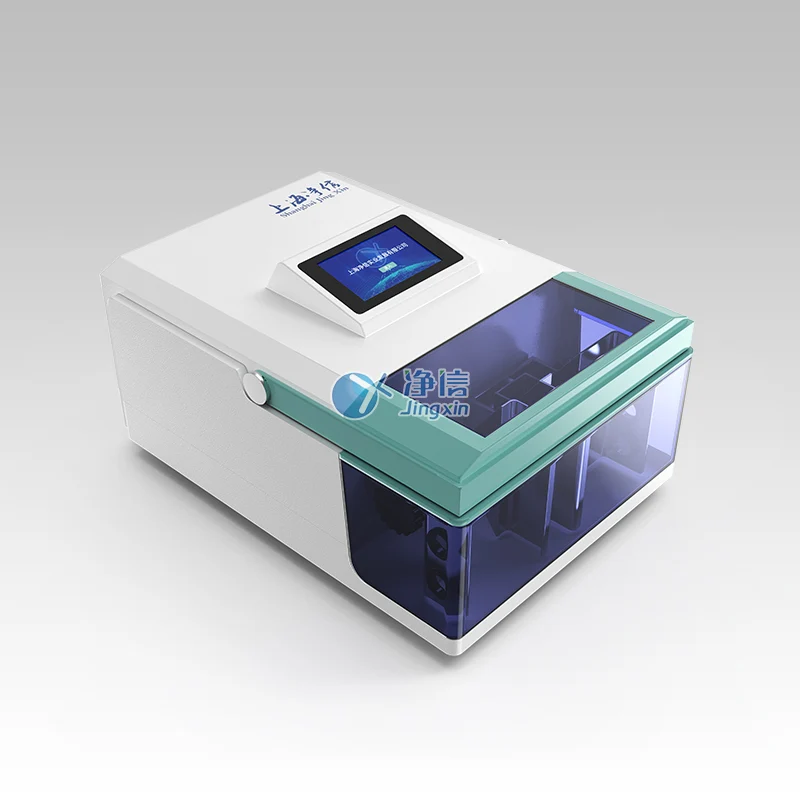
Tissuelyser-600 product
Representative model: Tissuelyser-600
PRODUCT FAMILYSoil & agricultural sample grindingCompare model specifications below.
FamilySoil & agricultural
WorkloadBatch analytical preparation
TemperatureRoom / pre-dried by method
Main decisionContamination + particle size + moisture
Product models

Compare soil grinders

Only products whose specifications can be traced to the product information are published here.

ModelWorkloadBest forTemperature routeKey model-specific value
Tissuelyser-600High-Throughput Soil Grinder
1–8 samples; 6 × 100 mL or 8 × 50 mL configurationsParallel soil and analytical sample preparation where larger 50 mL or 100 mL vessels are requiredRoom-temperature dry or wet grinding; low-temperature grinding after pre-cooling the sample and vesselFrequency: 0–40 HzView model →
Choose this route when

Soil & agricultural sample fit

These materials behave differently from soft tissue. Abrasive mineral content, residual moisture, fibrous plant structure and the required final particle size drive the method more than the sample count does.

  • Soil, sediment or agricultural material.
  • Leaf, root, stem, seed or dried plant tissue.
  • Analytical preparation where contamination control matters.
  • Repeatable particle size across a batch.
Choose another route when

When to choose another route

Use the animal and plant tissue routes for fresh or frozen tissue disruption, or the DNA / RNA route when extraction preparation is the goal.

Browse sample applications →
Selection logic

Soil grinder selection checks

Each of these must be an approved value in the method record, not an assumption carried over from a different sample type.

01Material

Soil, sediment, leaf, root, stem, seed or dried plant tissue.

02Contamination

Grinding chamber and media material versus the elements the analysis measures.

03Moisture state

Air-dried, oven-dried, frozen or fresh, and whether pre-drying is required.

04Particle size

Target fineness and the sieve or assessment step that confirms it.

05Batch & repeats

Samples per batch, replicate handling and quality-control samples.

Selection matrixUse model-specific values only
Sample fitApproved application and evidence records for the exact material.
Chamber & mediaMaterial compatibility — abrasive samples wear equipment and can contaminate trace analysis.
Particle sizeDocumented achievable fineness and the assessment method used.
MoistureDrying or pre-treatment step before grinding where the method requires it.
ThroughputPositions, samples per batch and the analytical queue the lab must clear.
BudgetUnit + vessels or jars + media + wear parts + delivery and setup.
Route comparison

Soil grinding mechanisms

Soil and plant preparation is a different discipline from tissue disruption. Compare the mechanism before comparing batch size.

Method routesDecide by method, then by model
Batch grinding (bead / ball)Multiple samples in sealed vessels with grinding media. Suited to repeatable analytical batches.
Mortar and pestleManual route for small numbers of samples or where the method specifies hand grinding.
CryogenicUsed when the material must stay cold or becomes brittle at low temperature.
Cutting / rotor millSize reduction for larger or fibrous plant material before finer grinding.
BEFORE
AFTER
Sample result componentPublish only with sample, moisture state, vessel, media, parameters and evidence level.
Performance evidence

Particle size evidence

“Fine powder” is not a specification. Connect the result to the measurement method, the moisture state and the media used, and state the contamination boundary of the configuration.

L1Technical specification
L2Internal performance test
L3Application test
L4/5Customer / published evidence
View evidence & case studies →
Price & lead time

Grinding media & running costs

Grinding chambers, jars and media wear faster on soil and mineral material. Budget the replacement interval rather than only the initial unit.

Understand total cost →
01Main unitConfiguration for the material
02Vessels & mediaJars, holders and grinding media
03Wear partsReplacement interval for abrasive samples
04Delivery & setupShipping, commissioning and training where applicable
Analytical method fixed?

Validate soil grinding results

Send the material and the target size, then confirm the configuration and the contamination boundary in one test record.

ONLINE ENQUIRY

Let’s discuss your requirements.

Tell us about your samples and the configuration you need.