
Application protocol

Tissue Dissociation for Single-Cell Preparation

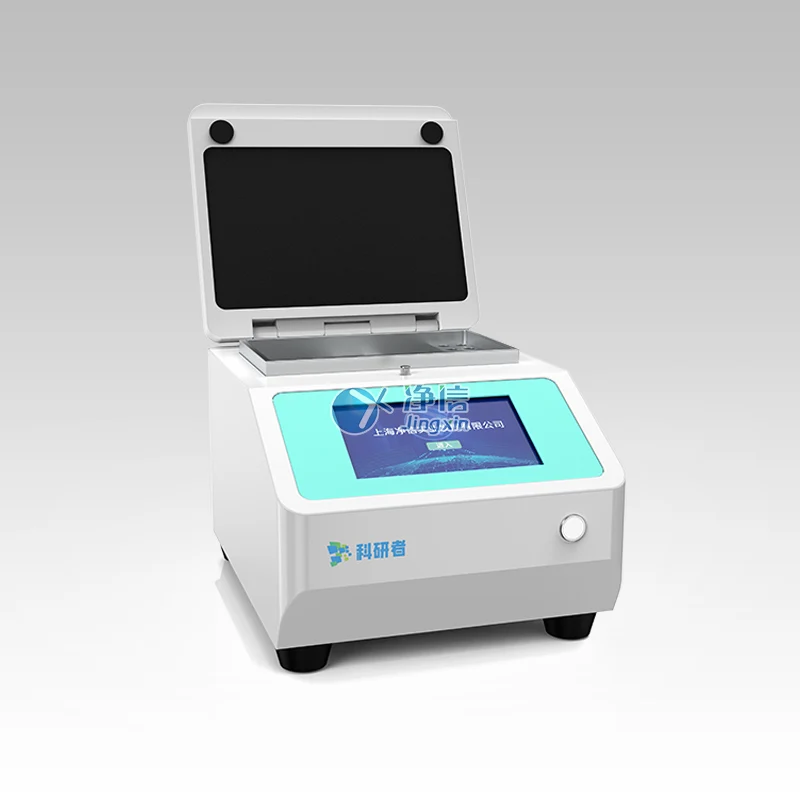
Choose a tissue dissociator when the required endpoint is a viable single-cell suspension or gently separated tissue units.

Method scope

Single-Cell Sample Scope

Suitable workflows

  • Fresh or appropriately preserved tissue intended for viable single-cell preparation
  • Mechanical dissociation used alone or together with a reviewed enzymatic workflow
  • Workflows with explicit yield, viability, debris and aggregate acceptance criteria
Selection boundaries

  • Grinding tissue into powder
  • Producing a fully homogenized lysate for bulk DNA, RNA or protein extraction
  • A universal enzyme recipe or parameter set for every tissue and cell type
Method considerations

Tissue type, enzyme conditions, mechanical action, temperature and processing time must be evaluated together; a grinder or homogenizer is not an automatic substitute when cell viability matters.

Materials & configuration

Tissue Dissociation Equipment

Dissociation Equipment

Use an exact released tissue dissociator and compatible vessel

Model required

Vessel / Consumable

Sterility, volume and mechanical compatibility must be

Compatibility required

Enzyme System

Selected by tissue and downstream workflow; record supplier, lot and concentration

Method dependent

Temperature Control

Record digestion and handling temperature throughout the workflow

Controlled field

Downstream Analysis

Flow cytometry, culture, sequencing or other acceptance method

Workflow dependent

Explore related equipment

Compare models →

Compare the route and compatible configuration before selecting a model for your sample.

Preparation steps

Single-Cell Dissociation Workflow

01

Define Tissue & Endpoint

Record tissue source, condition, amount, target cell population and the required yield and viability.

02

Prepare Enzyme & Vessel

Select a reviewed enzyme system and vessel, then document sterility and temperature requirements.

03

Dissociate Gently

Run the controlled mechanical and enzymatic sequence while recording program, time, temperature and observations.

04

Evaluate Cells

Measure cell yield, viability, aggregates, debris and target-cell recovery before accepting or adjusting the method.

Starting method

Tissue Dissociation Parameters

Mechanical Program

Tissue specific

Intensity and cycle structure must be validated against viability and yield.

Enzyme Conditions

Method specific

Record enzyme identity, concentration, lot and incubation conditions.

Time

Validation required

Excessive treatment can reduce viability or change surface markers.

Temperature

Controlled field

Record both dissociation and interim handling temperatures.

Cell Viability / Yield

Acceptance criteria required

Publish results only with the measurement method and tissue context.

Confirm sample-specific settings

Exact values depend on the sample, model, vessels and desired result. Use a sample test when available evidence does not match your workflow.

Result review

Cell Quality & Adjustments

Check the result

  1. Target viable-cell yield reached
  2. Cell viability measured with the approved method
  3. Aggregate and debris levels recorded
  4. Tissue, enzyme, program, vessel and date remain traceable

Adjustment order

  1. Re-check tissue condition and pre-cutting
  2. Re-check enzyme identity, concentration and incubation
  3. Re-check vessel loading and temperature
  4. Adjust mechanical intensity or cycle count one layer at a time
  5. Repeat viability and yield measurements after each controlled change
Validation

Single-Cell Method Evidence

Product specifications

Rated equipment information.

Performance tests

Test conditions and results.

Sample validation

Results for the exact sample and method.

Cases & research

Model-specific application evidence.

Handling & review

Tissue Handling Safety

  • Human or animal tissues require the applicable biosafety and ethics controls.
  • A tissue dissociator does not provide biological inactivation unless separately validated.
  • Aseptic or sterile claims require consumables, handling and facility procedures.
Open safety center →
ONLINE ENQUIRY

Let’s discuss your requirements.

Tell us about your samples and the configuration you need.