
SampleSoil / feed / agricultural analytical sample
Sample application
Soil Grinding for Laboratory Analysis
Soil sample preparation is an analytical milling problem, not automatically a tissue-homogenization problem. Match the grinder to moisture, stones or aggregates, target fineness, workload and cleaning requirements.
Know your sample
Sample profile
Use these characteristics to compare the preparation route.
CategorySoil / agricultural
ConditionDry / variable
StructureGranular / mixed
GoalAnalytical sample preparation
TemperatureRoom temperature unless validated otherwise
Selection checks
Before choosing equipment
01
Is the soil dry and friable, moist and cohesive, or mixed with stones and plant debris?
02
What particle-size target and analytical method follow grinding?
03
How will vessels and media be cleaned between samples to limit carryover?
Compare mortar grinding with vibratory disc milling. Larger feed may require coarse pre-crushing.
Route to evaluate
Analytical / High-Throughput routeAnalytical grinding route to evaluate
Related products
Equipment for this application
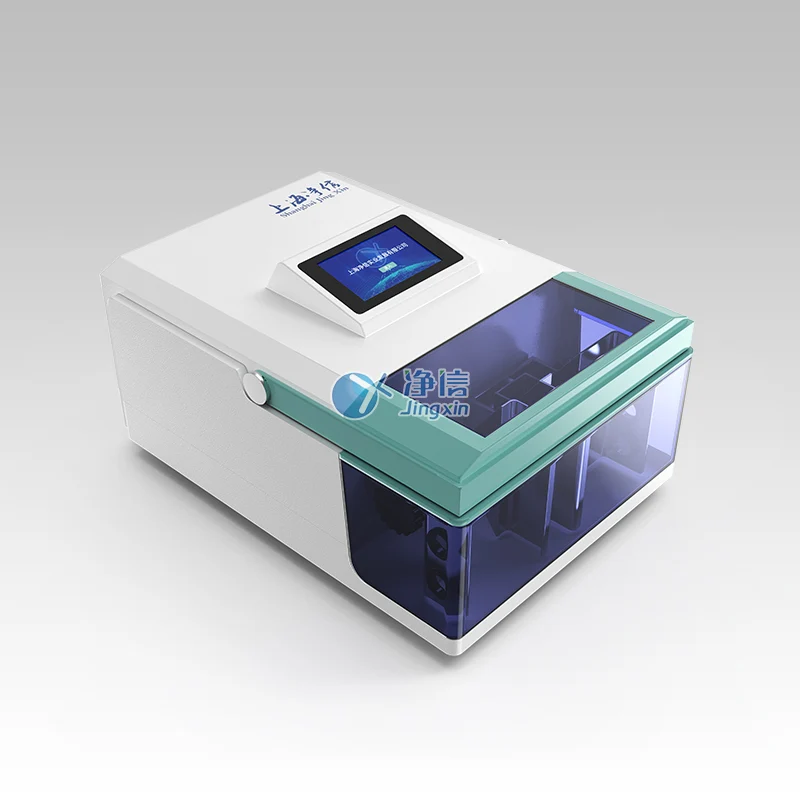
Tissuelyser-600
Parallel soil and analytical sample preparation where larger 50 mL or 100 mL vessels are required
1–8 samples; 6 × 100 mL or 8 × 50 mL configurations
View product →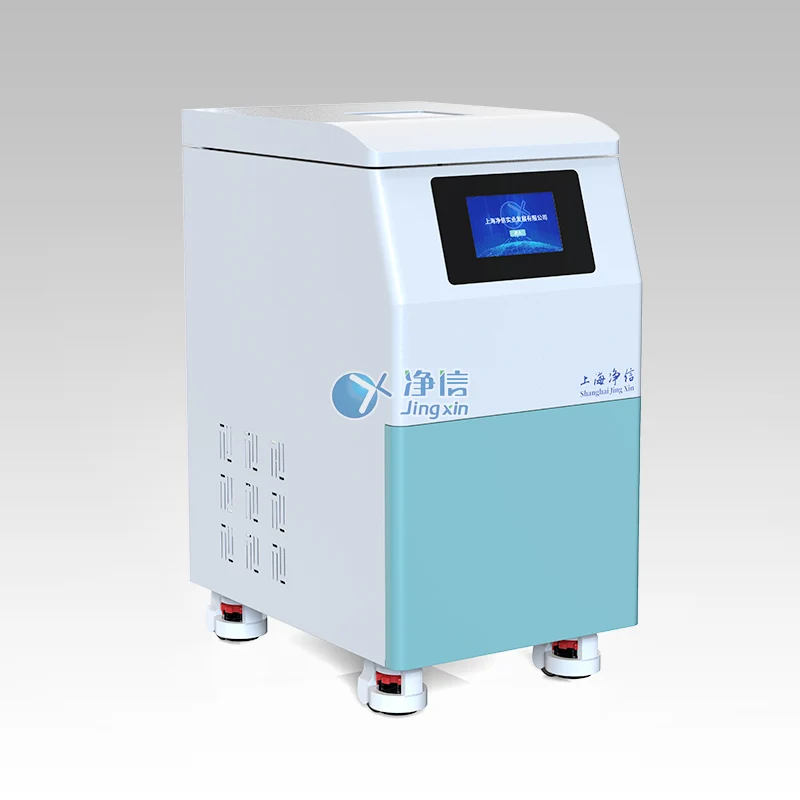
JXCL-5K
Workflows that benefit from grinding and centrifugation in one refrigerated instrument
24 × 2 mL; 24 × 5 mL; 18 × 10 mL; 15 × 15 mL; 12 × 50 mL
View product →Method & configuration
Configure the working method
Vessels & accessories
Jar, media, cleaning and cross-contamination controls require method-specific records.
Explore compatible components →Operating conditions
Match sample amount, container, temperature and target result. Request a sample-specific starting method.
Discuss your sample →Application cases
Sample preparation in practice
Compare the sample and operating conditions with your own workflow.
Dry grinding of wheat for analytical preparation
The experiment identifies JXFSTPRP-576 and records dry grinding at 45 Hz for 60 seconds, repeated twice, using a 50 mL PTFE jar.
Corn-kernel preparation for nitrogen analysis
The experiment identifies JXFSTPRP-576 and documents corn-kernel grinding before nitrogen-content measurement, using multiple groups to compare the preparation result.
Integrated refrigerated grinding of soil
JXCL-5K was used for a soil-grinding experiment and presents the integrated refrigerated grinding and centrifugation route.
Automated homogenization of chives and coriander
The experiment explicitly used JXHG-32 to turn chive and coriander samples into a uniform paste for subsequent compositional testing.