
SampleFrozen / fibrous tissue
Sample application
Frozen or Fibrous Biological Tissue
The production record must state sample condition, cooling workflow, container, model, accessory and result together.
Know your sample
Sample profile
Use these characteristics to compare the preparation route.
CategoryTissue / animal
ConditionFrozen / heat-sensitive
StructureFibrous / hard
GoalFine disruption before downstream analysis
TemperatureCryogenic route to evaluate
Route to evaluate
Cryogenic / Vacuum CryogenicCryogenic sample-preparation route to evaluate
Related products
Equipment for this application
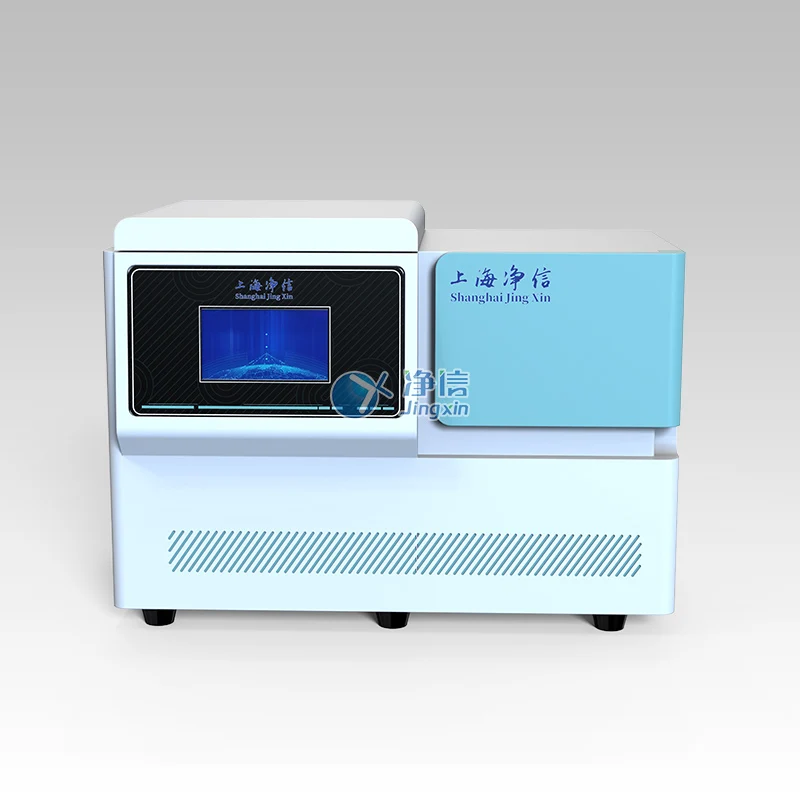
JXFSTPRP-CLN
Parallel processing where active refrigeration and temperature control are required
Up to 192 samples, adapter dependent
View product →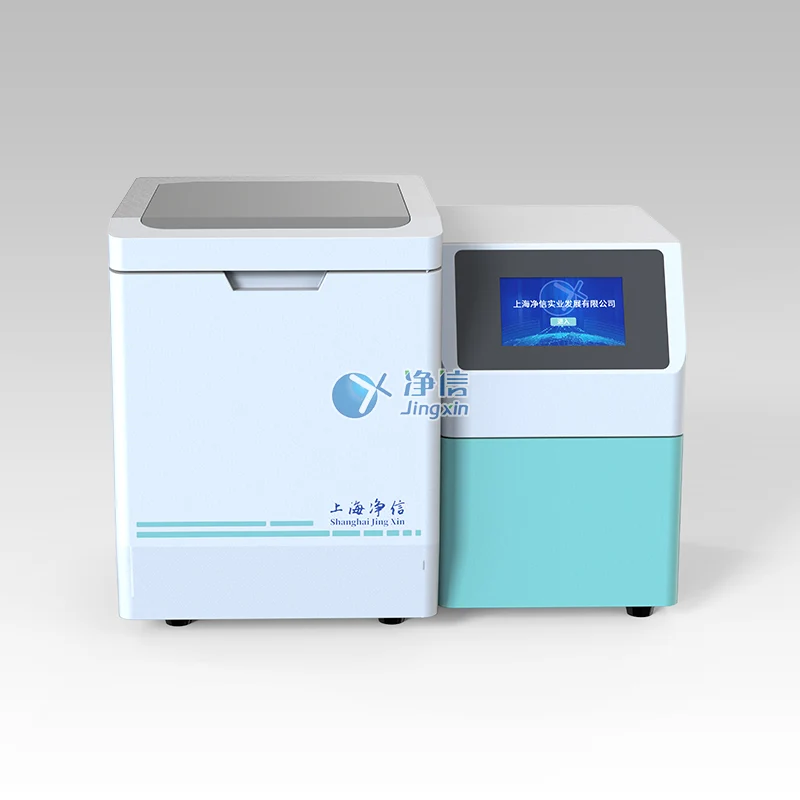
JXCL-ZK
Workflows requiring active refrigeration together with a vacuum grinding chamber
Up to 64 samples
View product →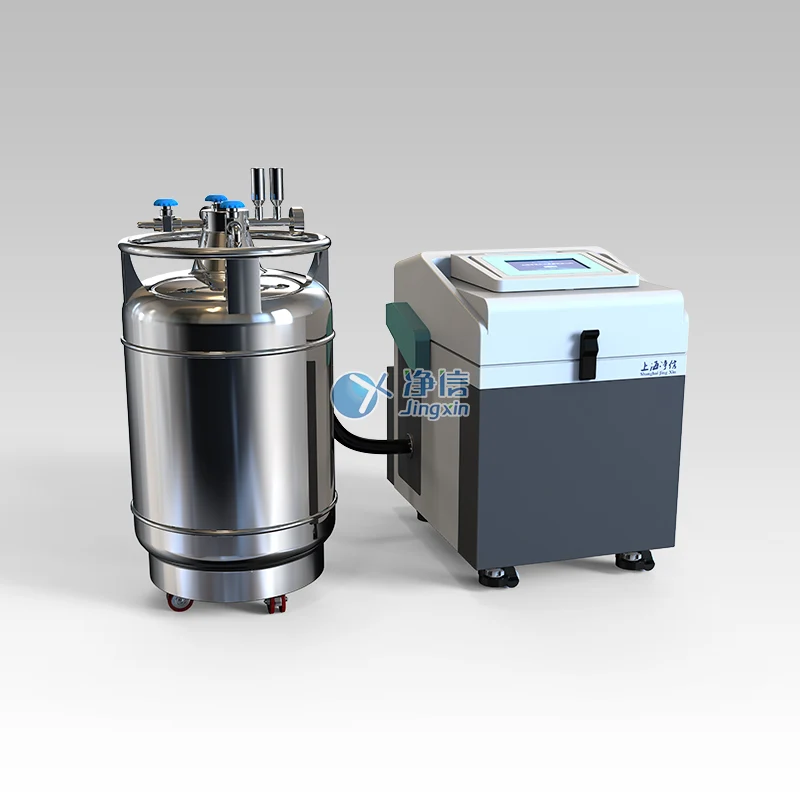
JXFSTPRP-MiniCL-AUTO-N
Materials that must remain immersed at liquid-nitrogen temperature throughout grinding
0.1–200 g per batch; 2 × 200 mL or 8 × 20 mL chambers
View product →Method & configuration
Configure the working method
Vessels & accessories
Cryogenic-compatible containers and adapters require model compatibility.
Explore compatible components →Operating conditions
Match sample amount, container, temperature and target result. Request a sample-specific starting method.
Discuss your sample →Application cases
Sample preparation in practice
Compare the sample and operating conditions with your own workflow.
120-second homogenization of poultry tissue
The experiment used JXFSTPRP-CLN with a steel-jar adapter and grinding media. After processing, the tissue was reported as a fine, uniform homogenate without obvious large particles, ready for subsequent extraction or analysis.
Rabbit limb-bone preparation for nucleic-acid extraction
The experiment paired JXFSTPRP-CLN with a 50 mL steel jar and a 10 mm stainless-steel ball. The jar was pre-cooled in liquid nitrogen before a repeated 50-second grinding program.
Refrigerated preparation of pig-liver tissue
The experiment identifies JXFSTPRP-192CL and combines low-temperature control with high-speed oscillation. The processed liver was reported as a fine homogenate without visible clumps for subsequent analysis.
Cryogenic preparation of rat femur
The experiment identifies JXFSTPRP-MiniCL-AUTO-N and records a 20-minute pre-cooling step followed by five minutes of grinding for a bone sample.
Cryogenic grinding of ossified deer antler pad
The experiment explicitly identifies JXFSTPRP-MiniCL-AUTO-N with a 100 mL jar and documents liquid-nitrogen pre-cooling before repeated grinding cycles.