
SampleLeaf / root / stem tissue
Sample application
Plant Tissue Grinding: Leaves, Roots & Stems
Plant leaves, roots and stems do not behave alike. Select a sealed-tube bead mill route around fiber content, moisture, sample amount and the intended DNA, RNA or protein workflow.
Know your sample
Sample profile
Use these characteristics to compare the preparation route.
CategoryPlant / agricultural
ConditionFresh / frozen
StructureSoft / fibrous
GoalDNA / RNA or extraction preparation
TemperatureRoom / controlled cooling
Selection checks
Before choosing equipment
01
Is the material a soft leaf, fibrous stem, woody root or hard seed?
02
Will fresh or frozen tissue need temperature control during disruption?
03
How much material goes in each vessel, and how many samples are processed per batch?
Route to evaluate
Multi-Sample / Medium-ThroughputParallel tube grinding route for plant tissue to evaluate
Related products
Equipment for this application
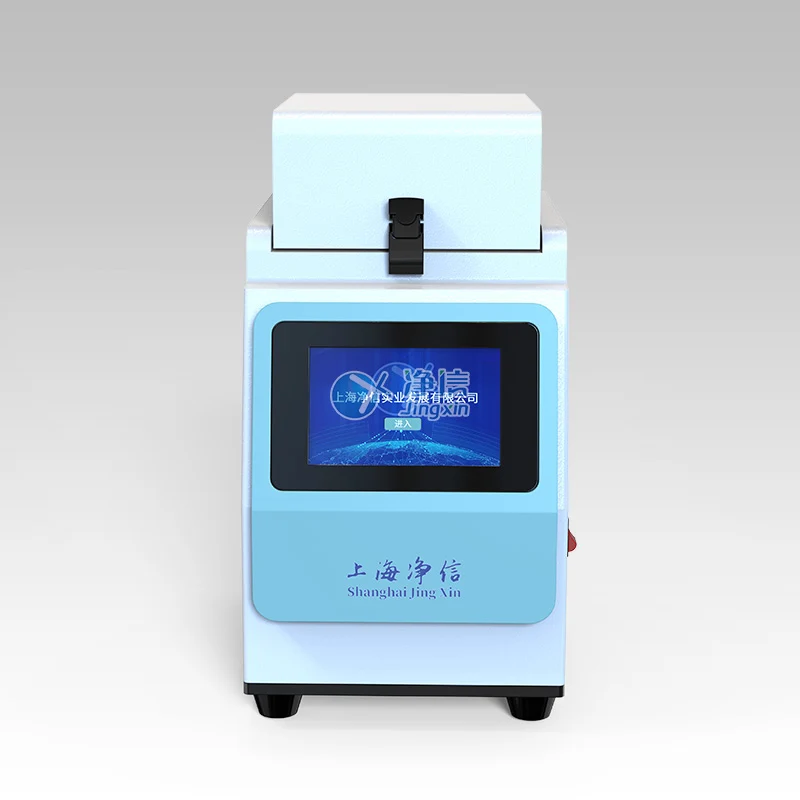
KZ-II
Routine sealed-tube preparation where 24-position parallel processing is sufficient
24 samples in the stated primary configuration
View product →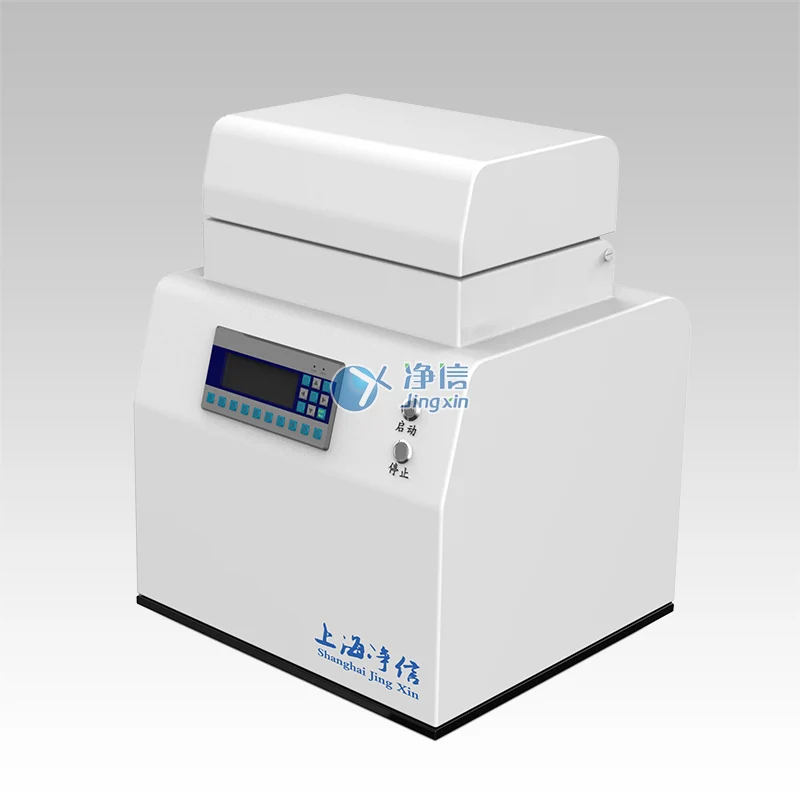
Tissuelyser-48
Daily 48-position batch work with several compatible vessel sizes
48 samples in the stated primary configuration
View product →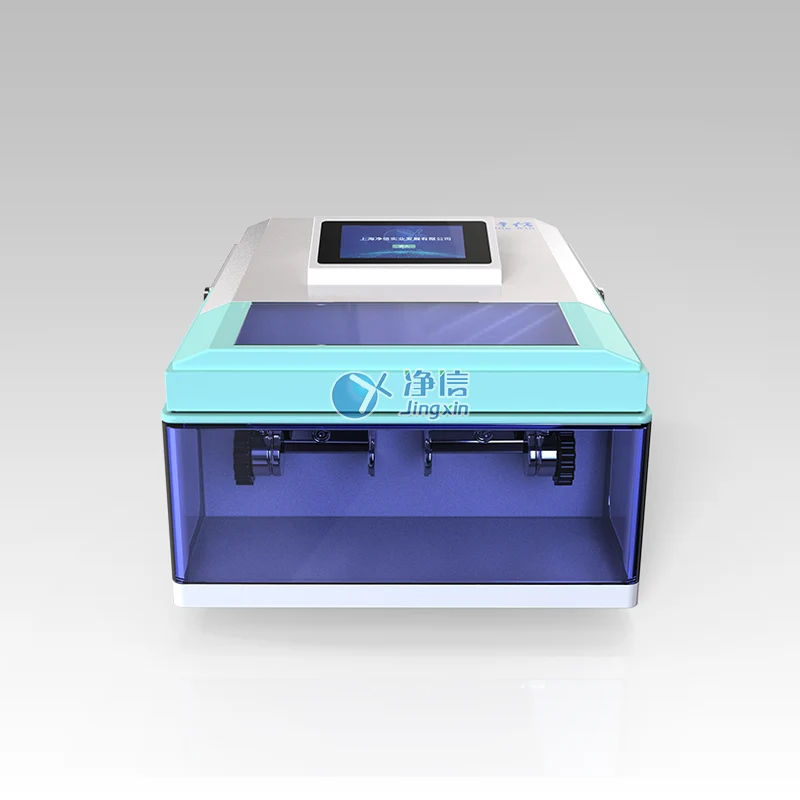
Tissuelyser-II
Parallel sample preparation across tubes, jars or two 96-well plates
1–192 samples, configuration dependent
View product →Method & configuration
Configure the working method
Vessels & accessories
Tube, adapter and bead selection must come from the approved compatibility record.
Explore compatible components →Operating conditions
Match sample amount, container, temperature and target result. Request a sample-specific starting method.
Discuss your sample →Application cases
Sample preparation in practice
Compare the sample and operating conditions with your own workflow.
Tomato-leaf preparation before RNA extraction
The experiment processed leaf material with grinding media and lysis solution in tubes. It identifies JXFSTPRP-CLN and reports complete grinding after a one-minute run, with the metal adapter pre-cooled for the RNA workflow.
Vegetable preparation for pesticide-residue extraction
The experiment used JXFSTPRP-192CL to process vegetable material, grinding media and acetonitrile in sealed tubes before mass-spectrometry analysis. The reported run time was two minutes for the tested setup.
High-throughput preparation of rice leaves
The experiment explicitly used JXFSTPRP-576 with steel balls in a 96-well deep-well plate to prepare rice leaves for a transgenic-testing workflow.
Automated homogenization of chives and coriander
The experiment explicitly used JXHG-32 to turn chive and coriander samples into a uniform paste for subsequent compositional testing.