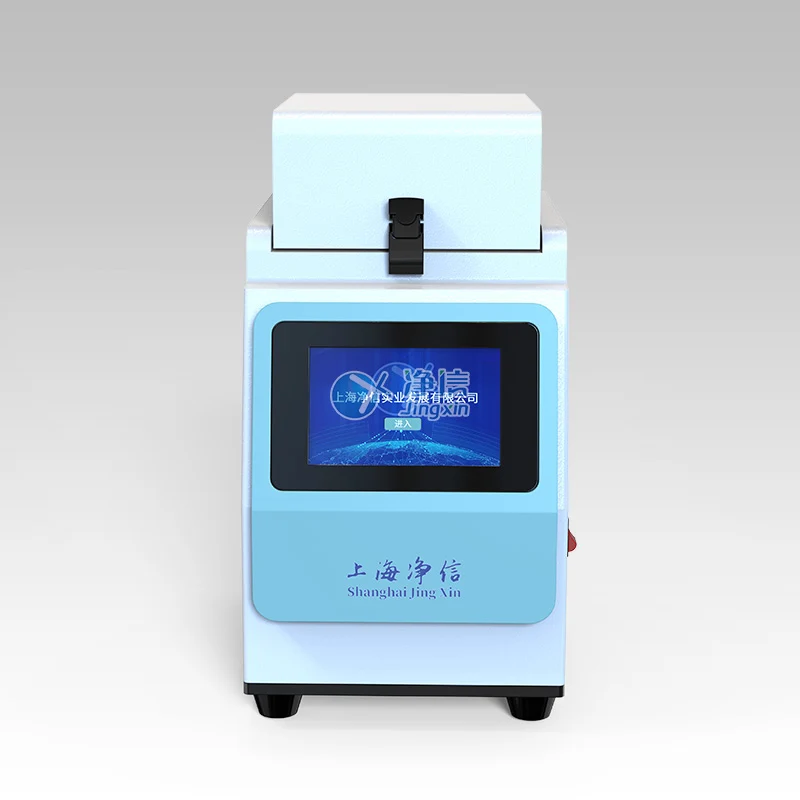
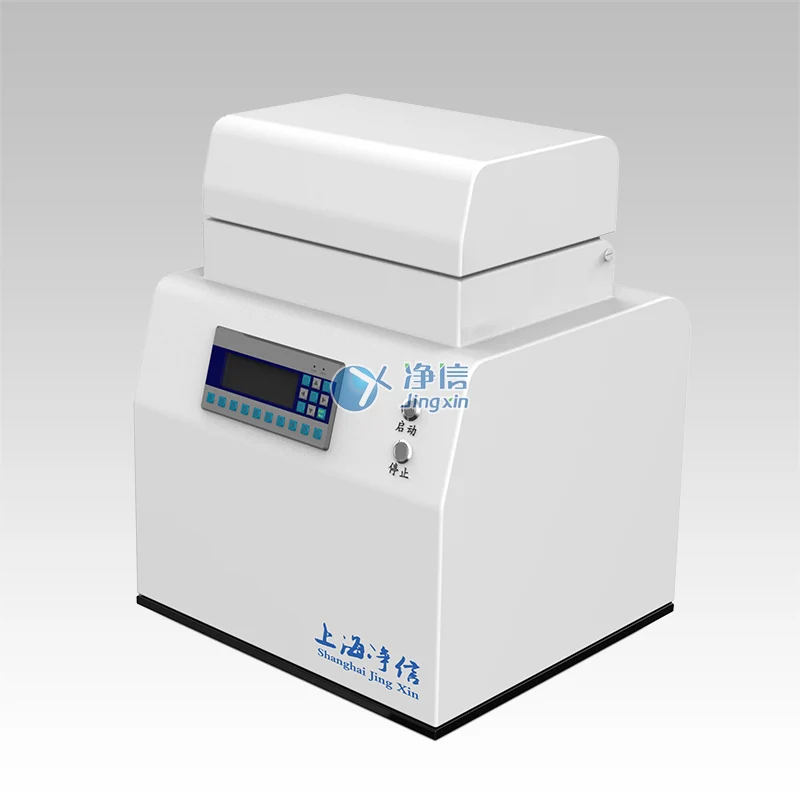
Application protocol

DNA / RNA Extraction Sample Preparation

For DNA/RNA preparation, the grinding step must be together with degradation risk, RNase/DNase control, temperature route, closed processing and batch consistency.

Method scope

DNA/RNA Sample Scope

Suitable workflows

  • Sample preparation ahead of DNA or RNA extraction
  • Tissue, plant or other biological material where the grinding step must remain traceable to the downstream extraction workflow
  • Workflows where low-temperature or closed handling may be part of the method
Selection boundaries

  • A claim that grinding alone guarantees nucleic-acid quality
  • A universal RNase/DNase-free claim for every accessory without material and cleaning data
  • A validated extraction protocol unless the downstream method and evidence are recorded
Method considerations

Where a protocol disrupts the sample directly in a lysis reagent such as TRIzol, reagent compatibility with the vessel and adapter belongs to the same record, and incomplete disruption — not the extraction chemistry — is the usual cause of low yield in tissue grinder RNA isolation and DNA barcoding workflows. Exact parameters remain method-specific until validated.

Materials & configuration

DNA/RNA Equipment & Consumables

Equipment

Choose the exact model for the preparation method

Model-specific

Closed Container

Container choice must come from compatibility records

Compatibility required

Bead / Media

Material choice must be with the method

Method dependent

Cleaning Status

RNase/DNase-related claims require accessory / cleaning documentation

Evidence required

Downstream Reagents

Managed by the extraction method; not invented on this grinder page

Workflow dependent

Explore related equipment

Compare models →

Compare the route and compatible configuration before selecting a model for your sample.

Preparation steps

DNA/RNA Preparation Workflow

01

Pre-treatment

Identify fresh, frozen or other sample condition and define the degradation-control requirement before grinding.

02

Load & Containment

Use only a model–adapter–container combination and record the closed-processing requirement.

03

Controlled Grinding

Record frequency / speed, time, cycles, interval and temperature in the method record. Do not publish generic values as validated extraction conditions.

04

Downstream Check

Evaluate the result using the approved downstream extraction criteria and retain batch / method traceability.

Starting method

DNA/RNA Preparation Parameters

Frequency / Speed

Confirm in sample testing

Method-specific; retain exact model and container.

Time

Confirm in sample testing

Must be associated with sample condition and amount.

Cycle / Interval

Confirm in sample testing

Use an approved method version.

Temperature Route

Method dependent

Room / low-temperature / cryogenic route must be explicitly recorded.

Batch Consistency

Confirm in sample testing

Requires repeated test records rather than a marketing claim.

Confirm sample-specific settings

Exact values depend on the sample, model, vessels and desired result. Use a sample test when available evidence does not match your workflow.

Result review

Extraction Checks & Adjustments

Check the result

  1. Downstream acceptance criteria defined
  2. Temperature / handling route recorded
  3. Batch and method version traceable
  4. Contamination-control evidence available where claimed

Adjustment order

  1. Re-check sample condition and degradation-control requirement
  2. Re-check container closure and compatibility
  3. Re-check cleaning / contamination-control documentation
  4. Review the controlled parameter set against the method version
  5. Run a Sample Test if extraction performance remains uncertain
Validation

DNA/RNA Method Evidence

Product specifications

Rated equipment information.

Performance tests

Test conditions and results.

Sample validation

Results for the exact sample and method.

Cases & research

Model-specific application evidence.

Handling & review

Biological Sample Safety

  • Biological sample restrictions still apply to DNA/RNA workflows.
  • RNase/DNase-related statements require process or material evidence.
  • Low-temperature processing does not itself prove preservation of every downstream analyte.
Open safety center →
ONLINE ENQUIRY

Let’s discuss your requirements.

Tell us about your samples and the configuration you need.