Application protocol

Microorganism Cell Disruption

Microorganism workflows should distinguish bacteria, yeast, fungi and spores, then bind the exact sample, bead material, container, grinder model and parameters to one reviewed method record.

Method scope

Microorganism Sample Scope

Suitable workflows

  • Non-hazardous microorganism sample preparation where disruption or homogenization is the stated goal
  • Bacteria, yeast, fungi or spore-related workflows when the exact sample and method are
  • Workflows that can be validated through Sample Testing or approved internal evidence
Selection boundaries

  • A universal disruption method across all microorganisms
  • Automatic inclusion of pathogen-related samples
  • An inactivation or biosafety claim based only on grinding, heat or product naming
Method considerations

Hazardous or pathogen-related material requires a separate safety gate.

Materials & configuration

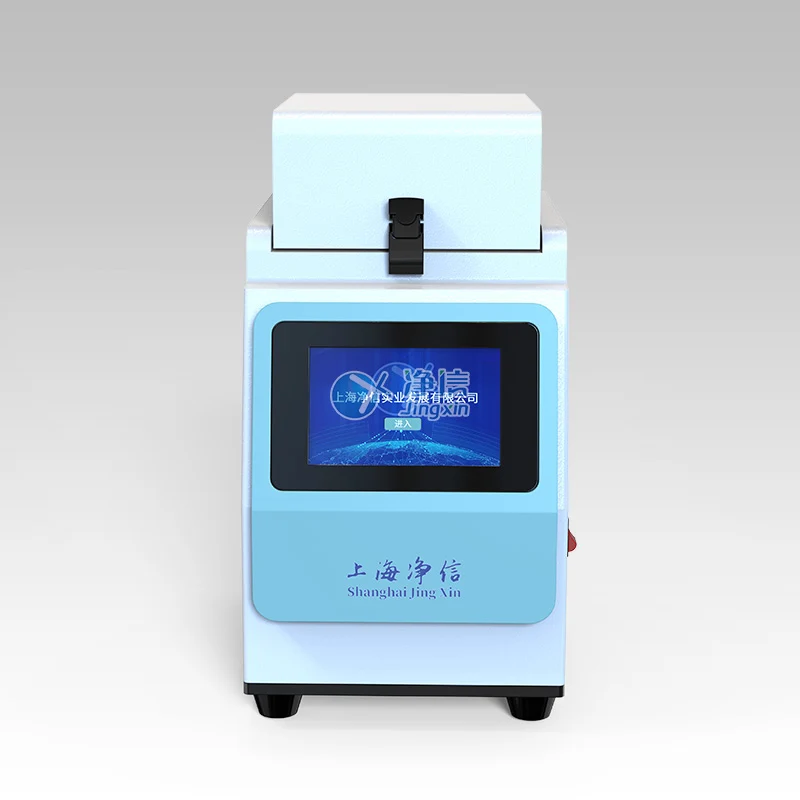
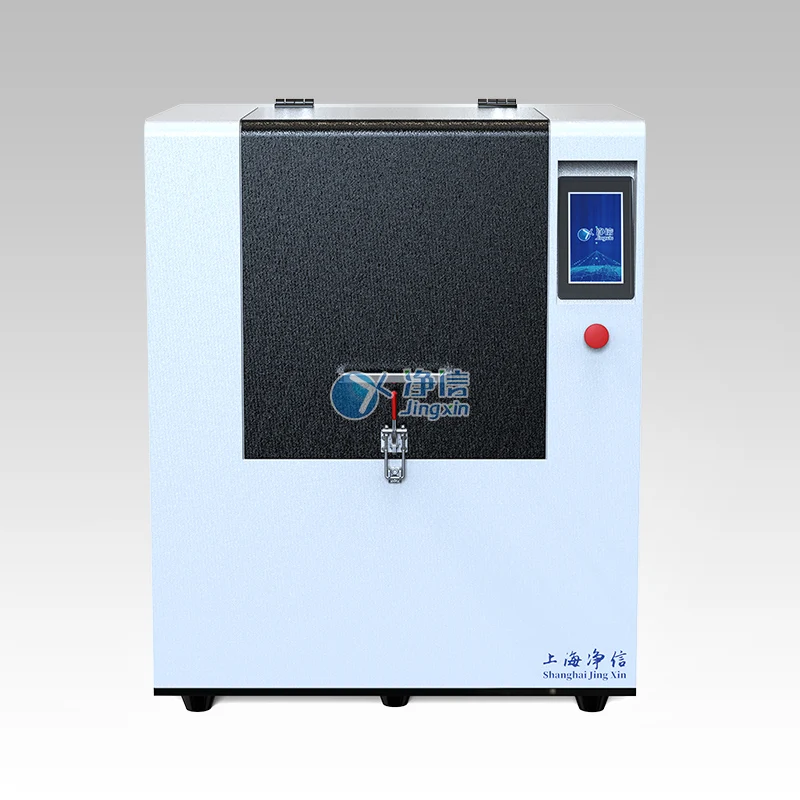
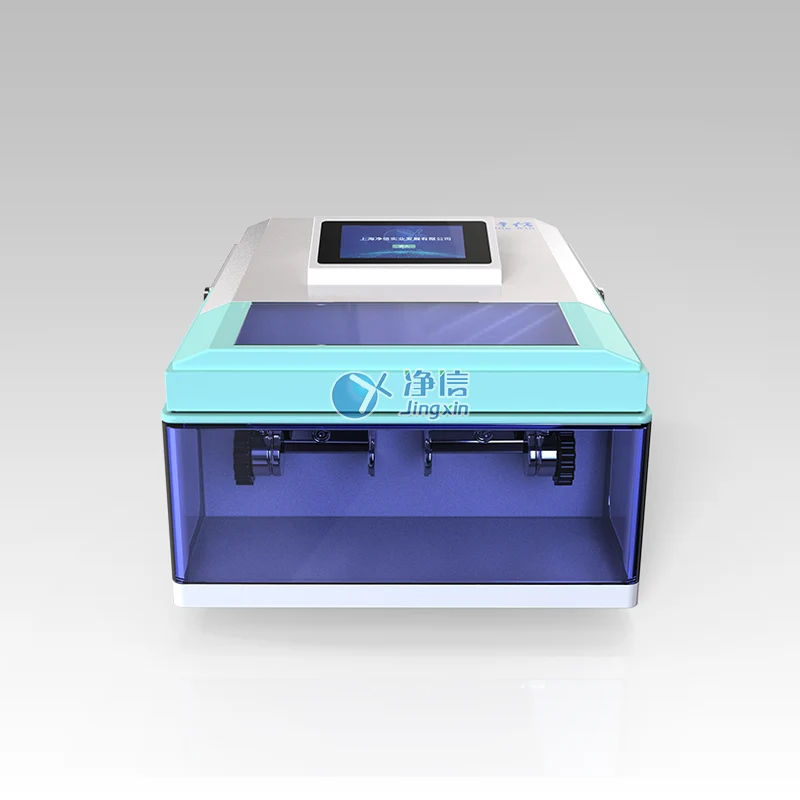
Cell Disruption Equipment

Equipment

Select the model by throughput and sample requirements

Model-specific

Container

Must be compatible with the selected model / adapter

Compatibility required

Bead / Media

Material is a controlled method field for microorganism disruption

Method dependent

Adapter

Use an explicitly model–adapter–container combination

Compatibility required

Safety Status

Pathogen-related or hazardous samples require separate review before testing or shipping

Safety gate

Explore related equipment

Compare models →

Compare the route and compatible configuration before selecting a model for your sample.

Preparation steps

Cell Disruption Workflow

01

Identify Sample

Record bacteria, yeast, fungi, spores or other microorganism category, including sample condition and safety status.

02

Configure Media

Choose container, adapter and bead/media only through compatibility and method records.

03

Run Controlled Method

Record speed / frequency, time, cycles, interval and temperature; publish only reviewed values.

04

Check Disruption Goal

Evaluate the approved downstream or disruption result and document limits, repeatability evidence and safety status.

Starting method

Cell Disruption Parameters

Bead / Media Material

Method dependent

Must be recorded with the exact sample and container.

Frequency / Speed

Confirm in sample testing

Do not generalize across bacteria, yeast, fungi and spores.

Time / Cycles

Confirm in sample testing

Requires a reviewed method record.

Temperature

Method dependent

Record when temperature control matters to the stated goal.

Repeatability

Confirm in sample testing

Requires repeated observations or tests.

Confirm sample-specific settings

Exact values depend on the sample, model, vessels and desired result. Use a sample test when available evidence does not match your workflow.

Result review

Disruption Checks & Adjustments

Check the result

  1. Microorganism category recorded
  2. Bead/media and container traceable
  3. Target disruption / downstream criterion recorded
  4. Safety and evidence status visible

Adjustment order

  1. Re-check microorganism category and sample condition
  2. Re-check bead/media and container relation
  3. Re-check sample load and preparation
  4. Review controlled parameters using the approved method version
  5. Escalate to Sample Testing / safety review as needed
Validation

Cell Disruption Evidence

Product specifications

Rated equipment information.

Performance tests

Test conditions and results.

Sample validation

Results for the exact sample and method.

Cases & research

Model-specific application evidence.

Handling & review

Microorganism Safety

  • Pathogen-related samples are outside this generic page until the dedicated safety and validation requirements are met.
  • Do not infer biological inactivation from temperature or mechanical disruption.
  • Shipping and sample testing of hazardous material requires prior acceptance.
Open safety center →
ONLINE ENQUIRY

Let’s discuss your requirements.

Tell us about your samples and the configuration you need.