
SampleHard / brittle laboratory samples
Sample application
Hard & Brittle Samples
Material hardness, elasticity, target particle size and heat sensitivity should drive the route.
Know your sample
Sample profile
Use these characteristics to compare the preparation route.
CategoryHard / material
ConditionDry / hard
StructureHard / brittle
GoalPowder / fine grinding
TemperatureRoom / cryogenic depending material
Route to evaluate
Cryogenic / Analytical routeJar or cryogenic route to evaluate
Related products
Equipment for this application
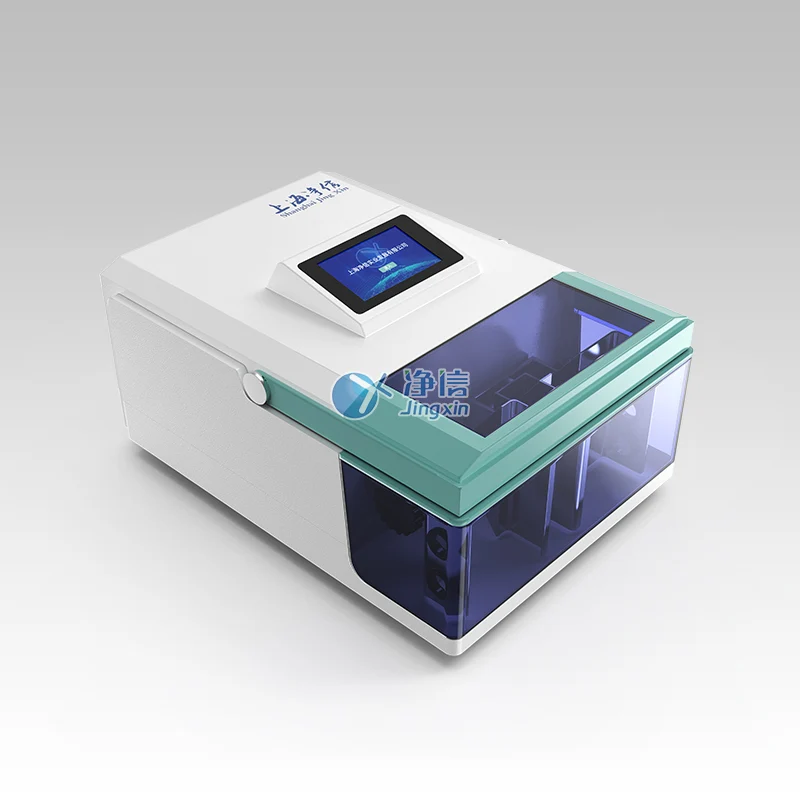
Tissuelyser-600
Parallel soil and analytical sample preparation where larger 50 mL or 100 mL vessels are required
1–8 samples; 6 × 100 mL or 8 × 50 mL configurations
View product →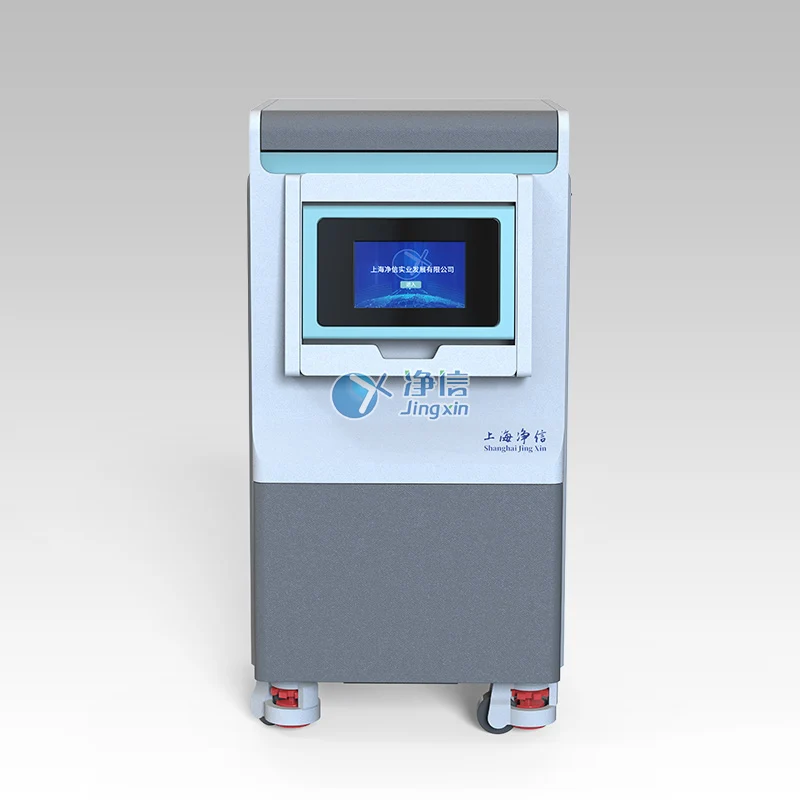
JXFSTPRP-192CL
Refrigerated high-throughput workflows requiring a broad vessel range
Up to 192 × 2 mL deep-well tubes, format dependent
View product →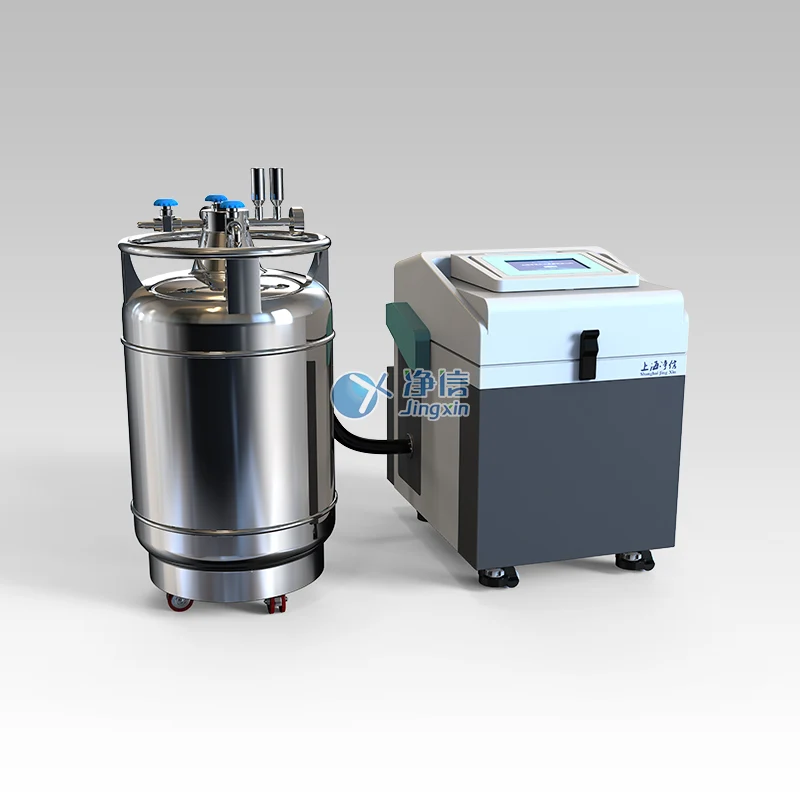
JXFSTPRP-MiniCL-AUTO-N
Materials that must remain immersed at liquid-nitrogen temperature throughout grinding
0.1–200 g per batch; 2 × 200 mL or 8 × 20 mL chambers
View product →Method & configuration
Configure the working method
Vessels & accessories
Jar, grinding media and model compatibility require material-specific records.
Explore compatible components →Operating conditions
Match sample amount, container, temperature and target result. Request a sample-specific starting method.
Discuss your sample →Application cases
Sample preparation in practice
Compare the sample and operating conditions with your own workflow.
Rabbit limb-bone preparation for nucleic-acid extraction
The experiment paired JXFSTPRP-CLN with a 50 mL steel jar and a 10 mm stainless-steel ball. The jar was pre-cooled in liquid nitrogen before a repeated 50-second grinding program.
Low-temperature grinding of a difficult plastic sample
The experiment identifies JXFSTPRP-192CL and uses liquid-nitrogen pre-treatment followed by mechanical grinding to reduce clumping in a tough, heat-sensitive material.
Liquid-nitrogen grinding of PVA and silk fibroin
The experiment explicitly used JXFSTPRP-MiniCL-AUTO-N with automatic liquid-nitrogen filling and pre-cooling to process two tough polymer materials.
Cryogenic preparation of rat femur
The experiment identifies JXFSTPRP-MiniCL-AUTO-N and records a 20-minute pre-cooling step followed by five minutes of grinding for a bone sample.
Cryogenic grinding of ossified deer antler pad
The experiment explicitly identifies JXFSTPRP-MiniCL-AUTO-N with a 100 mL jar and documents liquid-nitrogen pre-cooling before repeated grinding cycles.