
SampleLiver / brain / muscle and similar tissue
Sample application
Animal Soft Tissue Homogenization
For liver, brain, muscle and other soft tissue, compare sealed-tube homogenization by sample amount, batch size, temperature sensitivity and downstream analysis. Bone and teeth need a different hard-sample route.
Know your sample
Sample profile
Use these characteristics to compare the preparation route.
CategoryTissue / animal
ConditionFresh / frozen
StructureSoft / mixed
GoalHomogenization / extraction preparation
TemperatureRoom / controlled cooling
Selection checks
Before choosing equipment
01
Is the tissue fresh, frozen or already preserved in a reagent?
02
Is the target a uniform homogenate, cell disruption or powder for extraction?
03
Does the method require cooling or strict separation between samples?
Route to evaluate
Basic / Multi-Sample / Medium-ThroughputSealed tube tissue-disruption route to evaluate
Related products
Equipment for this application
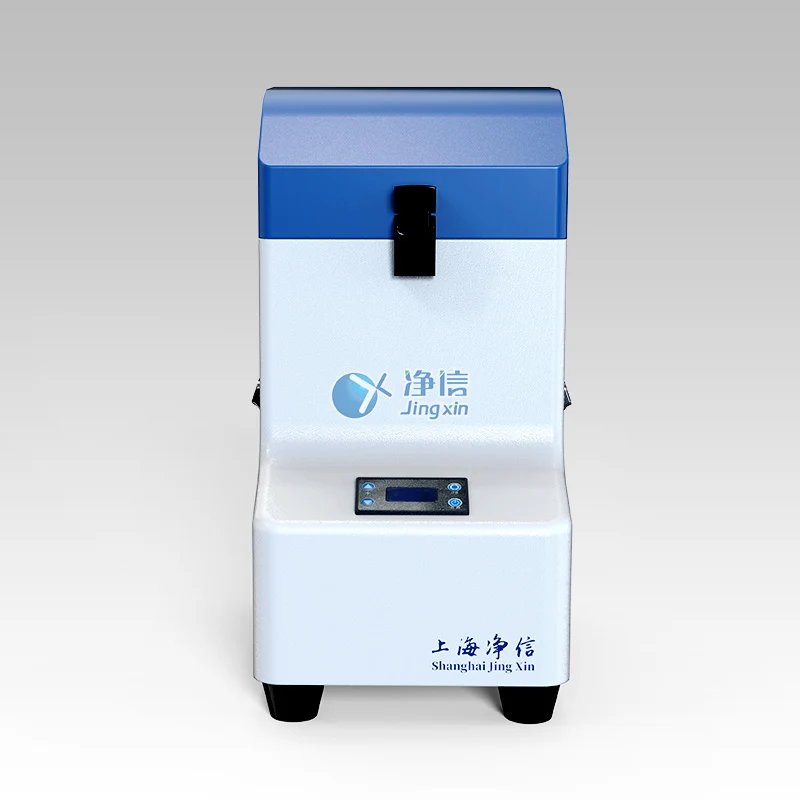
Tiss-Basic12
Small laboratories and low-volume workflows requiring a compact closed-tube system
1–12 samples
View product →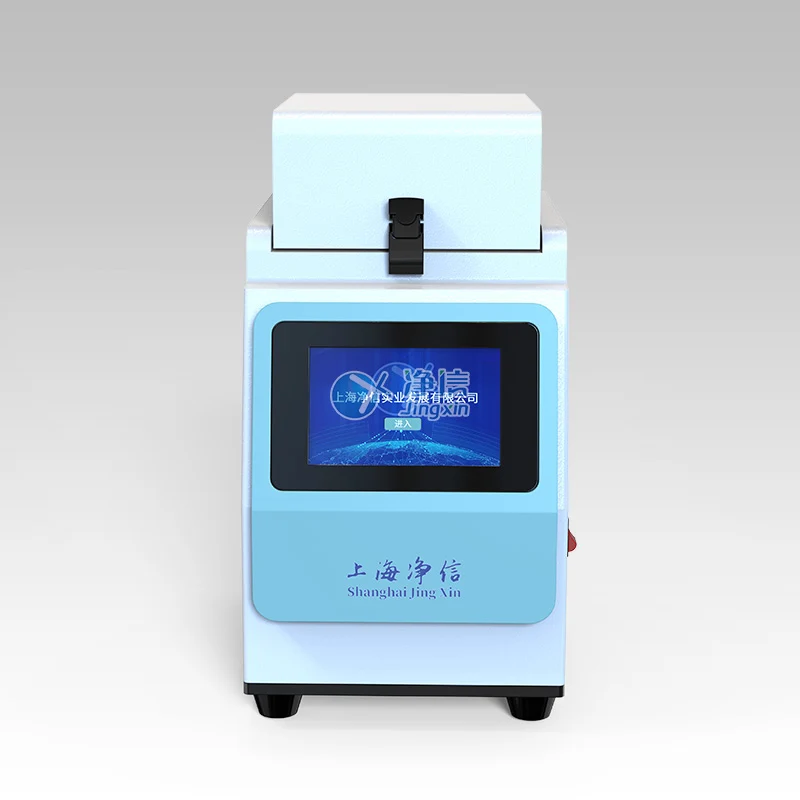
KZ-II
Routine sealed-tube preparation where 24-position parallel processing is sufficient
24 samples in the stated primary configuration
View product →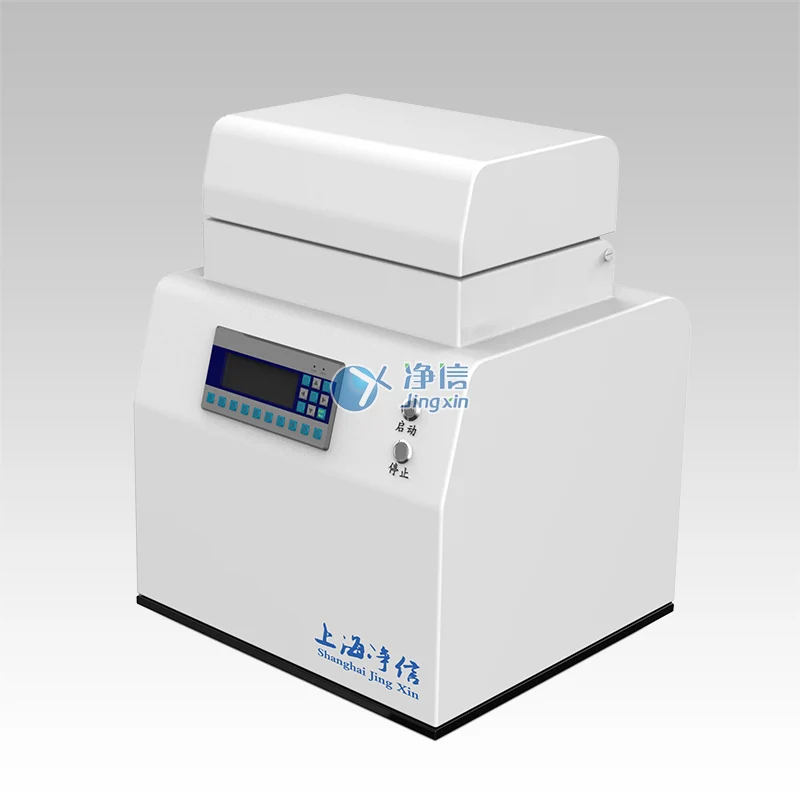
Tissuelyser-48
Daily 48-position batch work with several compatible vessel sizes
48 samples in the stated primary configuration
View product →Method & configuration
Configure the working method
Vessels & accessories
Compatibility is model-specific and must be resolved by explicit relation.
Explore compatible components →Operating conditions
Match sample amount, container, temperature and target result. Request a sample-specific starting method.
Discuss your sample →Application cases
Sample preparation in practice
Compare the sample and operating conditions with your own workflow.
120-second homogenization of poultry tissue
The experiment used JXFSTPRP-CLN with a steel-jar adapter and grinding media. After processing, the tissue was reported as a fine, uniform homogenate without obvious large particles, ready for subsequent extraction or analysis.
Low-temperature preparation of tumour tissue
The experiment used JXFSTPRP-CLN under controlled low-temperature conditions to prepare tumour tissue for workflows such as RNA extraction while limiting heat exposure during grinding.
Refrigerated preparation of pig-liver tissue
The experiment identifies JXFSTPRP-192CL and combines low-temperature control with high-speed oscillation. The processed liver was reported as a fine homogenate without visible clumps for subsequent analysis.
Handheld homogenization of mouse liver
The use case on the F6/10 record cuts liver into small pieces, selects speed level 3 and reports completion after 40 seconds for that setup.