ULTRASONIC SAMPLE PROCESSING

Ultrasonic Cell Disruptors & Probe Sonicators

Jingxin ultrasonic systems are designed for cell disruption, homogenization, extraction, dispersion, emulsification and molecular sample preparation.

Choose from direct-probe, integrated and non-contact systems according to your sample type, processing volume, throughput and contamination-control requirements.

  • Direct Probe
  • Integrated Systems
  • Non-Contact Sonication
  • Sample Testing
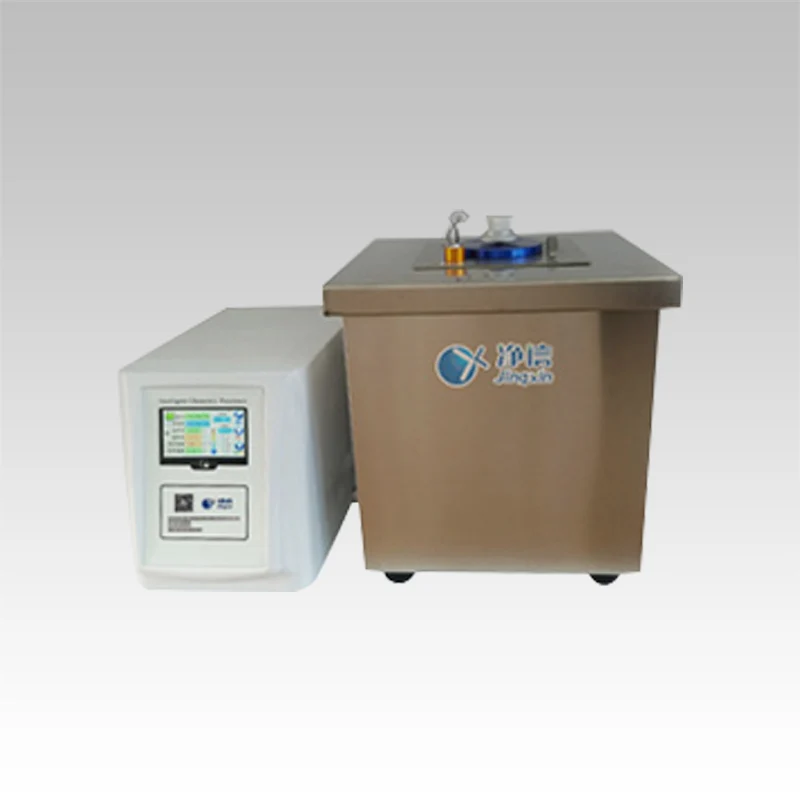
Jingxin XM-650DT integrated ultrasonic cell disruptor
Integrated probe system
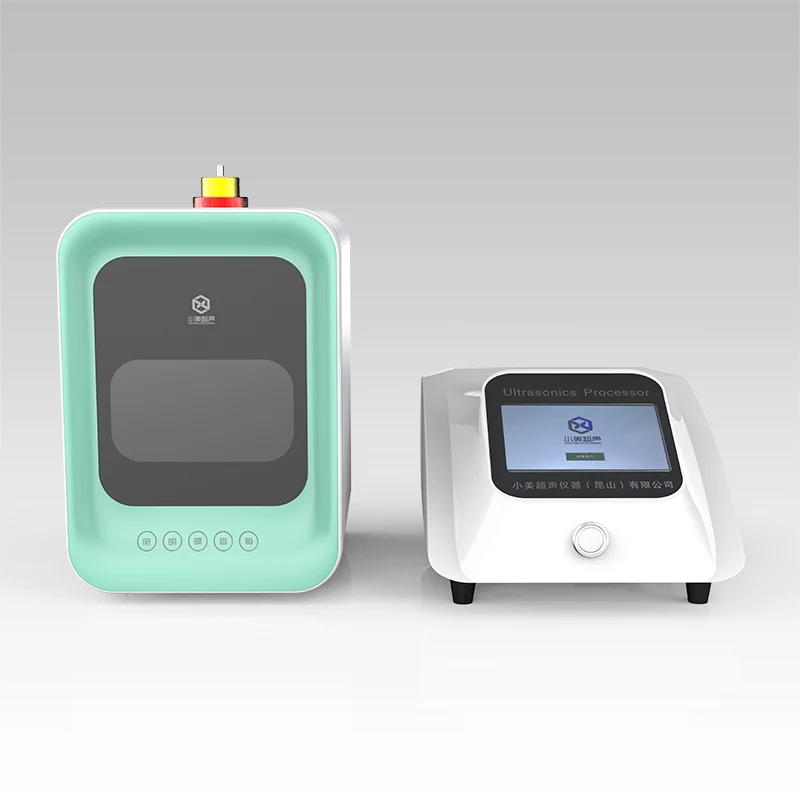
Jingxin XM-T probe sonicator for direct ultrasonic sample processing
Direct probe
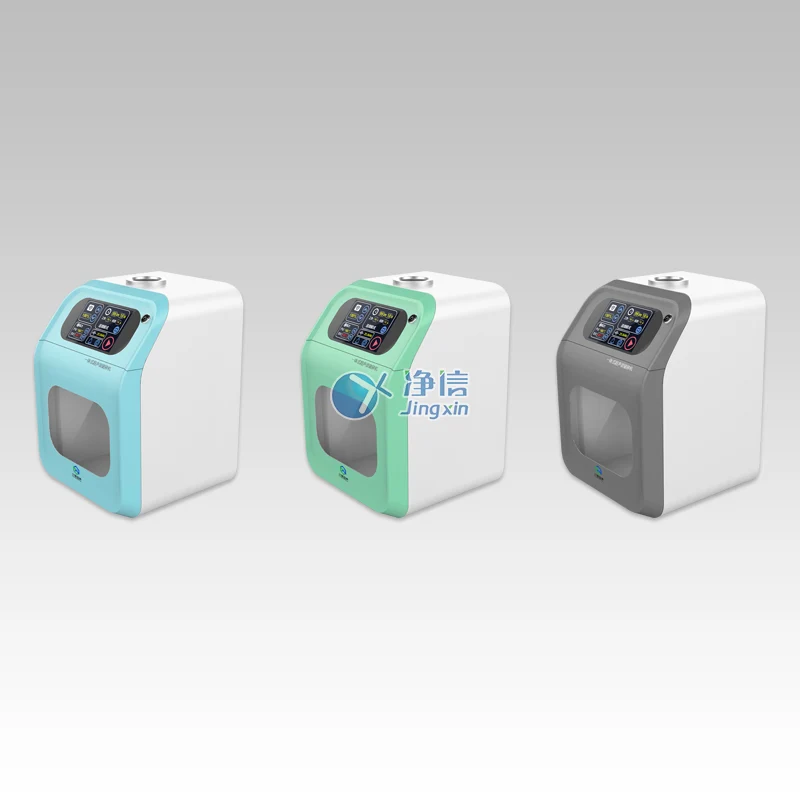
Jingxin JX non-contact laboratory sonicator for closed tubes
Non-contact

Choose the Right Sonicator Series

Jingxin offers different ultrasonic processing configurations. The main difference is how ultrasonic energy reaches the sample and how the system is configured for different laboratory workflows.

Jingxin XM-T direct-probe ultrasonic cell disruptor
XM-T probe sonicator series
PROBE SONICATORS

Direct-Probe Ultrasonic Processing

The probe transfers ultrasonic energy directly into the liquid sample, producing concentrated cavitation for efficient cell disruption, homogenization, dispersion, emulsification and extraction.

Best for
  • Cell disruption
  • Bacterial lysis
  • Protein extraction
  • Particle dispersion
  • Emulsification
Explore Probe Sonicators
Jingxin XM-650DT integrated ultrasonic cell disruptor
XM-DT integrated probe series
INTEGRATED PROBE SYSTEMS

Integrated Probe Sonication

Jingxin integrated sonicators combine ultrasonic processing, instrument control and acoustic isolation in one system, providing a more convenient configuration for routine and repeatable laboratory sonication.

Best for
  • Routine cell disruption
  • Protein extraction
  • Dispersion
  • Emulsification
  • Controlled laboratory sonication
Explore Integrated Sonicators
Jingxin JX non-contact ultrasonic sonication system
JX non-contact sonicator series
NON-CONTACT SONICATION

Closed-Tube Non-Contact Sonication

Ultrasonic energy is transmitted through the surrounding liquid and sample vessel without inserting a probe directly into the sample.

The closed-tube format reduces direct probe handling and is suited to parallel and contamination-sensitive workflows.

Best for
  • DNA fragmentation
  • ChIP workflows
  • Molecular sample preparation
  • Parallel samples
  • Sealed-tube processing
Explore Non-Contact Sonicators

Compare Sonicator Types

Start with the sonication method that best matches your sample and workflow. Exact specifications vary by model.

System TypeEnergy DeliverySample FormatTypical ThroughputTypical Applications
Probe SonicatorDirect probe contactOpen vessel / tubeIndividual sampleCell disruption, homogenization, dispersion, extraction
Integrated Probe SonicatorDirect probe contactIntegrated instrument enclosureIndividual sampleRoutine sonication, protein extraction, dispersion
Non-Contact SonicatorIndirect through vesselClosed tubesParallel samples depending on modelDNA fragmentation, ChIP and molecular workflows

What Is an Ultrasonic Cell Disruptor?

An ultrasonic cell disruptor uses high-frequency mechanical vibration to generate cavitation in a liquid.

In a probe system, electrical energy is converted into mechanical vibration by the transducer and transmitted through a titanium probe into the sample.

As microscopic cavitation bubbles form and collapse, they create localized shear forces that can disrupt cells, break up particle agglomerates, homogenize suspensions and accelerate extraction or emulsification.

Terms such as ultrasonic cell disruptor, probe sonicator, ultrasonic homogenizer and ultrasonic processor are often used for closely related ultrasonic processing systems.

Transducer and probe transmit vibration into a liquid sample to create cavitation
  1. Generator
  2. Transducer
  3. Probe / Sample Vessel
  4. Cavitation
  5. Sample Processing
Simplified direct-probe sonication principle

Probe Sonicator vs Bath Sonicator vs Non-Contact Sonicator

All three use ultrasound, but the way energy reaches the sample is different.

FactorProbe SonicatorBath SonicatorNon-Contact Sonicator
Energy deliveryProbe directly enters sampleThrough bath liquid and vesselThrough surrounding liquid and sealed vessel
Energy concentrationHigh and localizedLower and distributedIndirect and controlled
Sample contactDirect probe contactNo probe contactNo probe contact
Typical throughputUsually one vesselMultiple vessels possibleParallel tubes depending on model
Typical usesCell disruption, homogenization, dispersion, extractionCleaning, degassing and gentle ultrasonic treatmentDNA fragmentation, sealed-tube and parallel processing

How to Choose the Right Sonicator

Do not choose a sonicator by maximum wattage alone. The final result depends on the sample, processing objective, volume, probe configuration, operating conditions and temperature control.

  1. 01

    What sample are you processing?

    Different cells, microorganisms, suspensions and chemical systems respond differently to ultrasonic energy.

  2. 02

    What result do you need?

    Common objectives include cell disruption, protein extraction, DNA fragmentation, homogenization, dispersion, emulsification and extraction.

  3. 03

    What is your sample volume?

    Sample volume helps determine the appropriate instrument and probe configuration. Use the specifications of the actual Jingxin model instead of generic industry volume ranges.

  4. 04

    How many samples do you process?

    Direct probe systems are suited to individual vessels, while non-contact systems can be more convenient for compatible multi-tube workflows.

  5. 05

    Is temperature control important?

    Ultrasonic processing generates heat. Temperature-sensitive samples may require pulse operation, external cooling or a temperature-controlled system.

How Probe Size Affects Sonication

Probe diameter influences how ultrasonic energy is distributed into the sample.

Smaller probes concentrate energy into a smaller processing area and are generally selected for smaller volumes.

Larger probes transfer energy across a wider area and are generally used for larger sample volumes.

Always match the probe to the working range specified for the actual Jingxin instrument.

View Probe & Volume Guide →

Parameters That Affect Sonication Results

Amplitude

Controls ultrasonic intensity and affects the energy delivered to the sample.

Pulse Mode

Alternating ON and OFF periods can help control heat accumulation.

Processing Time

Total ultrasonic exposure affects the amount of energy applied to the sample.

Probe Diameter

Influences energy concentration and suitable processing volume.

Temperature

Temperature control becomes important for heat-sensitive samples.

Sample Properties

Viscosity, concentration, vessel geometry and composition influence ultrasonic energy transfer.

Sonicator Applications

Different applications require different ultrasonic methods and configurations. Explore the processing approaches below and discuss sample-specific requirements with our team.

Cell Lysis & Cell Disruption

Ultrasonic cavitation can disrupt cellular structures and release intracellular material for downstream laboratory workflows.

Bacterial Cell Disruption

Probe sonication provides concentrated ultrasonic energy for bacterial cell disruption and subsequent extraction workflows.

Protein Extraction

Ultrasonic processing can assist cell disruption and the release of intracellular proteins while temperature control remains an important method consideration.

DNA Fragmentation & ChIP

Controlled sonication can be used for DNA and chromatin fragmentation. Non-contact systems are particularly useful for closed-tube and parallel workflows.

Particle & Nanomaterial Dispersion

Ultrasonic cavitation can break down agglomerates and improve particle dispersion in liquid systems.

Emulsification

Ultrasonic shear forces can support laboratory-scale emulsification and homogenization.

Ultrasonic Extraction

Ultrasound can assist extraction and mass-transfer processes in laboratory sample preparation.

Sonochemical Processing

Dedicated ultrasonic reactor systems can support reaction-oriented applications, extraction, emulsification and related sonochemical workflows.

Need a sample-specific method? Discuss your application with our sample testing team →

Sonicator Probes & Accessories

Match the sonicator with the appropriate probe, holder, enclosure and cooling configuration for the sample and workflow.

Ultrasonic Probes

Probe configurations for different compatible processing volumes and applications.

View Probes →

Cooling Solutions

Cooling and temperature-control configurations for temperature-sensitive sonication.

View Cooling Options →

Tube Holders & Adapters

Compatible holders and adapters for selected non-contact systems.

View Accessories →

Ultrasonic Cell Disruptor FAQs

Is an ultrasonic cell disruptor the same as a probe sonicator?

The terms ultrasonic cell disruptor, probe sonicator, ultrasonic homogenizer and ultrasonic processor are often used for closely related ultrasonic-processing systems. The preferred term usually depends on the equipment configuration and application.

What is the difference between a probe sonicator and a bath sonicator?

A probe sonicator transfers ultrasonic energy directly into the sample through a probe, producing concentrated energy around the probe tip. A bath sonicator transfers energy indirectly through the bath liquid and sample vessel, resulting in a more distributed ultrasonic field.

What is the difference between probe and non-contact sonication?

A probe sonicator places the ultrasonic probe directly inside the sample. A non-contact sonicator transmits ultrasonic energy through the surrounding liquid and sample vessel, allowing the sample to remain closed during processing.

Can a sonicator be used for bacterial cell disruption?

Yes. Ultrasonic cell disruption is one of the applications supported by Jingxin probe and selected non-contact ultrasonic systems. The appropriate instrument and operating method depend on the sample and processing volume.

Can sonication be used for protein extraction?

Yes. Jingxin lists protein extraction among the applications of its ultrasonic processing systems. Temperature and processing conditions should be selected according to the sample and downstream workflow.

Can sonication be used for DNA fragmentation?

Yes. Jingxin offers dedicated non-contact ultrasonic systems designed for DNA fragmentation and related molecular sample-preparation workflows.

How should I choose a probe size?

Probe selection should be based on the compatible processing range of the specific instrument, sample volume and vessel. Always use the actual Jingxin model specifications rather than a universal probe-size chart.

Does sonication generate heat?

Yes. Ultrasonic processing can increase sample temperature. Temperature-sensitive applications may require pulse operation, cooling or a system with temperature-control capabilities.

Should I choose a sonicator based on wattage?

Not by wattage alone. Sonication performance also depends on probe configuration, sample volume, amplitude, processing time, sample properties and temperature control.

Find the Right Sonicator for Your Sample

Tell us your sample type, processing volume, application and throughput. Jingxin can help match your workflow to an appropriate ultrasonic processing system and configuration.

  • Sample Type
  • Sample Volume
  • Processing Goal
  • Samples per Batch
Compare Sonicator Models →
ONLINE ENQUIRY

Let’s discuss your requirements.

Tell us about your samples and the configuration you need.